Backyard Pool and Hot Tub Ideas That Make the Most of Your Space
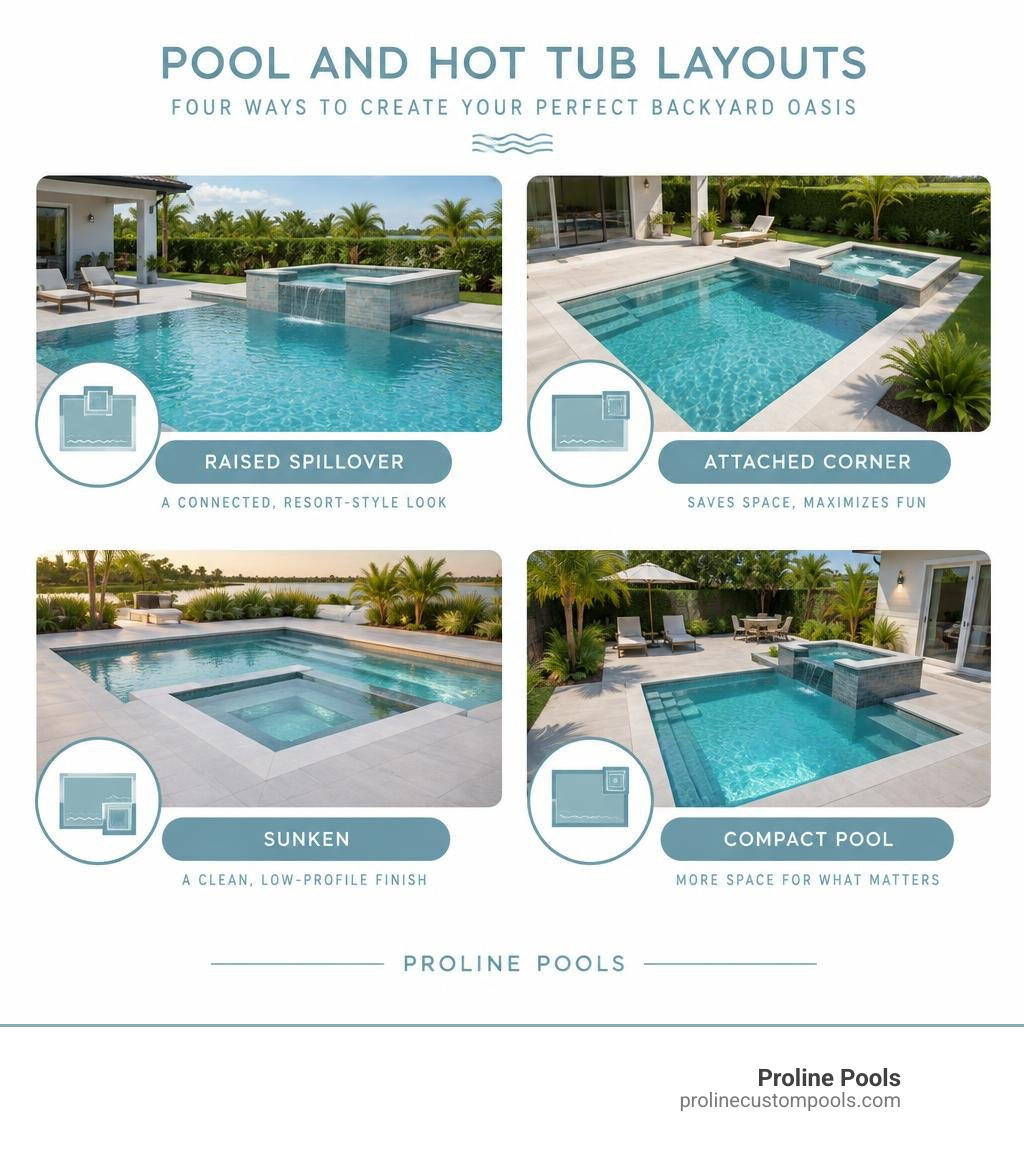
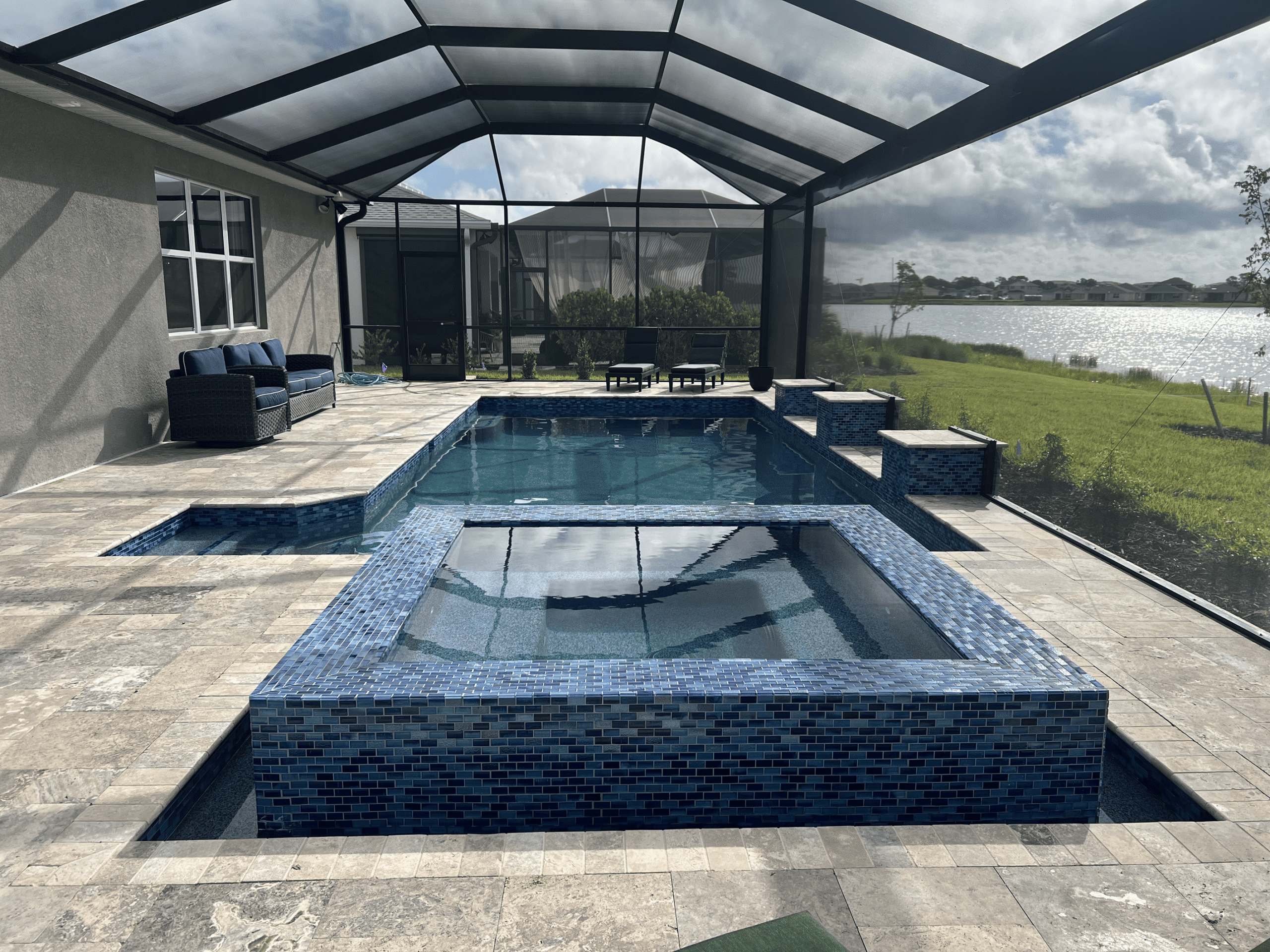
The best backyard pool and hot tub ideas match the layout to how you will use the yard. Choose a raised spillover spa for a connected, resort-style look; an attached corner spa to save space; or a sunken spa for a clean, low-profile finish. In a smaller Cape Coral yard, a compact pool with a corner spa can leave more room for seating.
Before choosing tile or lighting, plan the walk from the house, the view from your patio, and a private place to soak. Those choices will shape which of the 10 ideas works best for your family.
10 Innovative Backyard Pool and Hot Tub Ideas for Your Dream Oasis
Designing an outdoor aquatic retreat in Southwest Florida requires balancing daytime family recreation with tranquil evening unwinding. Properties with integrated pool and spa systems routinely see higher resale values compared to those with standalone features, according to the Association of Pool & Spa Professionals. Beyond market appeal, a cohesive setup establishes functional lifestyle zones right outside your sliding glass doors.

Whether you are drawing inspiration from an HGTV gallery of pool and hot tub inspirations or sketching your own custom layout, here are 10 clever configurations organized into four architectural styles.
Luxury Backyard Pool and Hot Tub Ideas with Spillover and Vanishing Edges
1. The Classic Elevated Spillover Spa
An attached spillover spa remains the most popular pool-and-spa combination across residential architecture. Raised 12 to 18 inches above the main pool deck, the spa shares a structural concrete bond beam with the swimming pool. Water gently cascades over an illuminated glass tile or natural stone spillway into the pool below. This elevation creates a stunning focal point from your outdoor living room while introducing soothing acoustic masking that muffles neighborhood sounds.
2. The 360-Degree Perimeter Overflow (Mirror Spa)
For sleek, modern aesthetics, the perimeter overflow spa raises the water level flush with the top edge on all four sides. Water spills continuously over the edges into a concealed sub-deck catch basin, creating the illusion of a solid, mirror-like sheet of glass. When integrated into gunite construction and paired with submerged LED channel lights, this negative-edge effect turns your spa into a glowing architectural sculpture after twilight.
3. The Dual-Vanishing Edge Horizon Layout
On waterfront properties or sites with elevation changes, positioning the hot tub at the far pool wall creates an uninterrupted sightline across the water. Cascading weir walls on both the pool and spa establish a layered resort effect, blending your private splash zone seamlessly with canal, golf course, or garden vistas.
Compact Backyard Pool and Hot Tub Ideas for Small Spaces and Courtyards
4. The Multifunctional “Spool” (Small Pool + Spa Hybrid)
When lot square footage or utility easements restrict your building envelope, a “spool” offers the best of both worlds. Typically spanning 8 to 14 feet in length, a spool operates as an oversized hydrotherapy spa with built-in perimeter benching or as a compact plunge pool for cooling off on humid summer afternoons. Equipped with high-output natural gas heaters, a spool can heat to soaking temperature in less than an hour, minimizing energy waste while maximizing utility.
5. Dual-Zone Swim Spas with Integrated Hydrotherapy
A swim spa provides dedicated zones for both fitness and relaxation within a compact 12-to-20-foot footprint. One end features high-volume propulsion jets that generate an adjustable current for resistance swimming, while the opposite end features ergonomic seating with dedicated therapy jets. Dual-zone models allow you to keep the swimming lane at an athletic 80 degrees Fahrenheit while maintaining the hot tub zone at a soothing 102 degrees.
6. Courtyard-Enclosed Microclimate Retreats
Enclosing a compact pool and spa within privacy walls, decorative screen enclosures, or lush subtropical landscaping creates a sheltered courtyard microclimate. In addition to offering absolute privacy, surrounding walls block crosswinds, retaining ambient heat within the pool basin and cutting down on water evaporation.
7. The Space-Saving Attached Corner Spa
Placing the hot tub in an interior corner of a geometric or L-shaped pool preserves valuable swimming lane space. By sharing two structural walls with the pool shell, this layout lowers concrete forming costs, streamlines underground plumbing runs, and allows bathers to step easily between the heated spa bench and a shallow tanning ledge.
Seamless Architectural and Sunken Hot Tub Concepts
8. Flush Deck-Level Sunken Spas
A sunken in-ground spa sits completely flush with the surrounding travertine or textured concrete patio. This eliminates visual barriers across the yard, offering an unobstructed view of the water and surrounding garden beds. As highlighted in this Houzz guide on integrating outdoor spas, sunken configurations improve physical accessibility by allowing bathers to pivot smoothly from the deck edge onto submerged seating benches without climbing over elevated walls.
9. Recessed Spa with Custom Hardwood Surrounds
If you choose a self-contained portable hot tub, you do not have to settle for an exposed acrylic-and-composite box resting on bare concrete. Recessing the unit into a multi-tiered deck wrapped in Japanese shou-sugi-ban charred cedar, marine-grade teak, or modern composite boards creates a custom, built-in appearance. Concealed access hatches ensure service technicians can easily reach internal plumbing and control packs when necessary.
Multi-Level Terraced and Coordinated Landscape Layouts
10. Naturalistic Freeform Rock Grotto & Terraced Spas
For a tropical, lagoon-inspired aesthetic, elevating the spa on a raised stone terrace creates distinct lifestyle zones. Bathers in the elevated hot tub enjoy sweeping views of the pool deck below, while integrated moss-rock waterfalls and hidden grottos conceal the plumbing. Connecting the raised spa terrace to poolside outdoor kitchens and sunken fire pits via broad stone steps ensures easy movement during evening gatherings.
Comparing Hot Tub Types: Portable vs. In-Ground vs. Spillover Spas
Selecting the right spa build type dictates your installation timeline, equipment needs, and long-term operating costs. Below is a detailed breakdown of the three primary configurations:
| Feature / Metric | Portable Hot Tub | In-Ground Gunite/Fiberglass Spa | Integrated Spillover Gunite Spa |
|---|---|---|---|
| Average Installed Cost | $6,000 – $16,000 | $15,000 – $35,000+ | $9,000 – $30,000 (Add-on to new pool) |
| Typical Monthly Heating Cost | $30 – $60 | $40 – $70 | $40 – $80 |
| Filtration & Circulation | Self-contained internal filter | Dedicated remote pump/filter pad | Shared or dual-circuit with main pool |
| Plumbing & Jet Configuration | 30 to 80+ molded ergonomic jets | 10 to 30 custom-placed jets | 10 to 30 custom-placed jets via booster pump |
| Visual Cohesion | Standalone cabinet or recessed surround | Fully flush with patio hardscape | Monolithic shell with matching tile/coping |
| Electrical Requirements | 240V / 50-60A dedicated GFCI | 240V equipment pad circuits | Shared 240V automation subpanel |
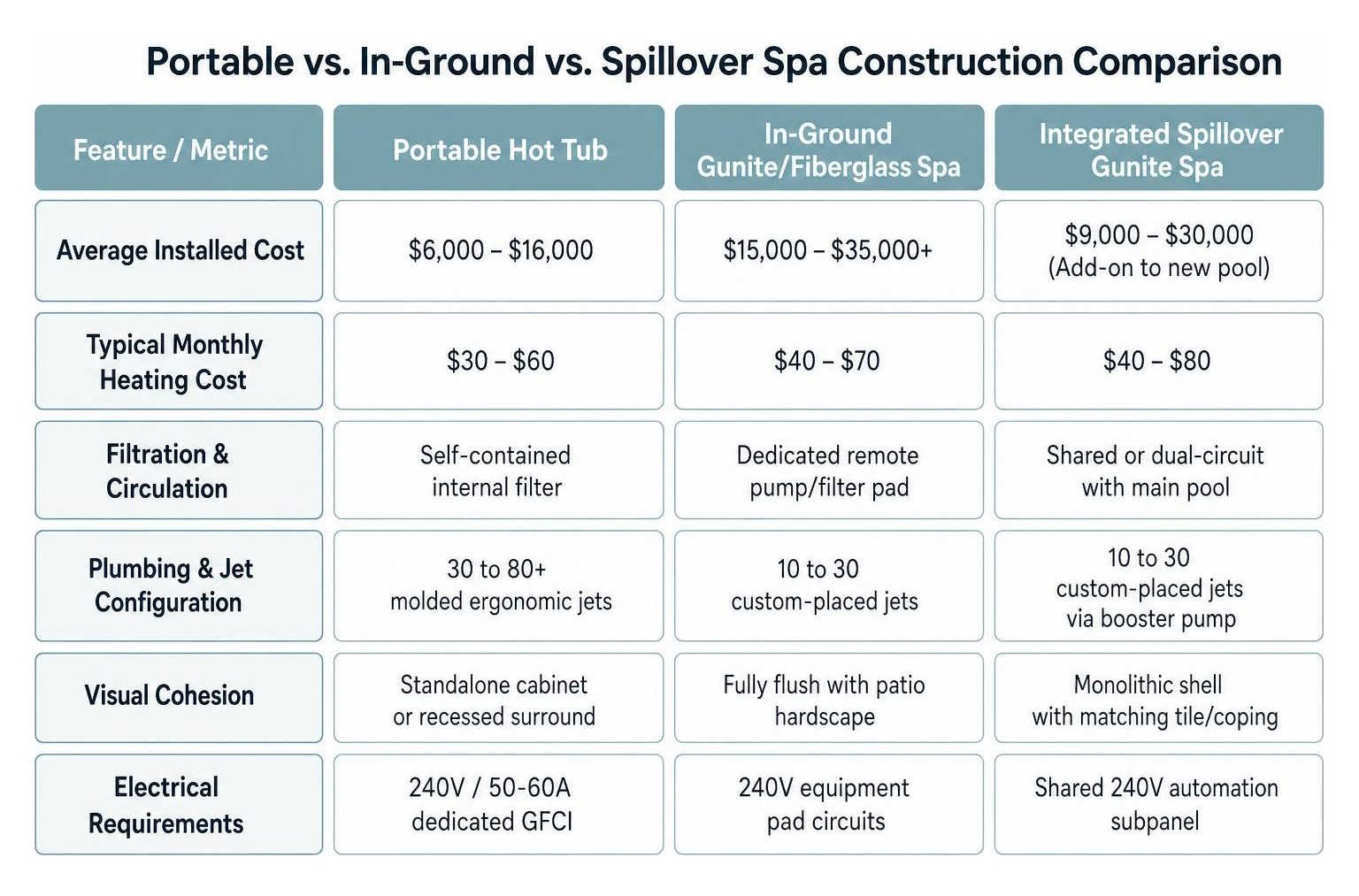
A portable spa excels at providing highly targeted, ergonomic deep-tissue jet configurations within a self-contained shell. However, for seamless visual harmony, an in-ground or spillover gunite spa constructed as part of your overall pool shell offers unmatched structural longevity and resale appeal.
Engineering, Heating Systems, and Water Chemistry Essentials
Operating a combined pool and hot tub system requires reliable hydraulic engineering to balance two distinct water bodies with very different temperature requirements.
Heating Options and Thermal Efficiency
Swimming pools are typically kept between 78 and 82 degrees Fahrenheit, whereas spa therapy demands water temperatures between 100 and 104 degrees Fahrenheit. The Consumer Product Safety Commission (CPSC) establishes 104 degrees Fahrenheit (40 degrees Celsius) as the maximum safe upper limit for healthy adult bathers.
- Natural Gas / Propane Heaters: Deliver fast on-demand heating, warming a 400-to-600-gallon spa by 20 to 30 degrees in roughly 30 to 60 minutes.
- Electric Heat Pumps: Deliver high thermodynamic efficiency for maintaining steady pool temperatures in warm climates, but take 2 to 4 hours to raise a spa to maximum soaking heat during colder winter nights.
- Dedicated vs. Shared Circuits: Automated motorized actuator valves allow a single filtration system to swap between standard “Pool Mode” (skimming and circulating both bodies) and “Spa Mode” (isolating spa water so the heater focuses entirely on the smaller volume).
To minimize thermal loss, quality covers are essential. Data from the U.S. Department of Energy reveals that automated covers alone reduce overall heating costs by 50 to 70 percent. Fitting an in-ground spa with a dense foam-core thermal cover with an R-value of R-12 or higher cuts heat loss by 60 to 75 percent, reducing monthly heating bills from $50–$100 down to $15–$30 in typical climates.
Water Chemistry and Surface Finishes
Maintaining balanced water chemistry in a shared system requires extra vigilance because hot water accelerates sanitizer consumption and mineral scaling. Reference the official CDC guidelines for home pool and hot tub water treatment for detailed baseline parameters.
- pH and Alkalinity: Maintain pH strictly between 7.2 and 7.6, and total alkalinity between 80 and 120 parts per million (ppm).
- Salt Chlorination: If your pool utilizes an inline electrolytic salt chlorine generator (operating between 2,700 and 3,400 ppm salinity), size the cell to handle the peak combined sanitizer demand.
- Interior Aggregate Finishes: Salt systems and high water temperatures can etch traditional white marcite plaster over time. Opt for durable aggregate quartz or pebble interior finishes for the spa interior, which offer superior resistance to chemical fluctuations and heat wear.
Safety Standards, Permitting, and Critical Mistakes to Avoid
Integrating an aquatic installation requires strict adherence to structural and safety codes. Avoid these common design pitfalls during your initial planning phases:
- Safety Barriers and Enclosures: International Residential Code (IRC) Section R326 mandates that residential pools and spas be enclosed by a minimum 48-inch-high barrier with self-closing, self-latching gates that open outward. In Florida, modern pool cages and full screen enclosures satisfy these perimeter safety requirements while keeping pests out.
- Anti-Entrapment Suction Compliance: In accordance with the Virginia Graeme Baker Pool and Spa Safety Act (VGBA), every spa suction outlet must be equipped with certified anti-entrapment drain covers and split-drain plumbing to eliminate dangerous suction entrapment risks.
- Electrical Bonding: National Electrical Code (NEC) Article 680 requires complete equipotential bonding of all metallic components, reinforcing steel, handrails, and pump motors within 5 feet of the water’s edge, alongside dedicated Class A Ground Fault Circuit Interrupter (GFCI) breakers on all 120V and 240V circuits.
- Undersizing the Footprint: Many homeowners install an undersized spa only to realize it cannot comfortably fit guests. A 4-to-6 adult capacity (spanning roughly 60 to 80 square feet with a comfortable 36-to-38-inch bench-to-floor depth) represents the sweet spot for regular relaxation without consuming excessive patio space.
- Ignoring Sightlines and Traffic Flow: Never position your spa where open access doors, loungers, or fire pits obstruct the primary pathway from the house. A short, unhindered walk between the back door and the spa step ensures the hot tub gets used regularly year-round.
Frequently Asked Questions About Pool and Spa Combinations
How much does it cost to add a hot tub to an existing pool versus building together?
Adding a built-in gunite spa during initial pool construction typically adds $9,000 to $30,000 to the total pool build cost. In contrast, retrofitting an in-ground spa onto an existing pool later runs $15,000 to $35,000 or more. Retrofitting costs significantly more because it requires specialized excavation around existing decks, cutting into existing pool plumbing, upgrading pump pads, and matching aged finishes. A standard medium-sized gunite pool with an attached spillover spa built together generally totals between $75,000 and $130,000, including coping, basic decking, standard equipment, and safety barriers.
Can a swimming pool and hot tub share the same water and heating system?
Yes. In an integrated spillover setup, the pool and spa share the same primary filtration pump, filter, and sanitization cell. Automated motorized valves switch the hydraulic circuit into “Spa Mode” when commanded by your wall panel or mobile app. This isolates the spa’s water loop so the heater rapidly brings the hot tub up to your desired setpoint without wasting energy trying to heat the entire swimming pool.
What is the ideal hot tub size for an average residential swimming pool?
The most practical residential spa measures 6 to 8 feet in diameter (for round geometries) or 7×7 to 8×8 feet (for square configurations). Visually, a spa should occupy roughly 14 to 20 percent of your total pool surface area. For example, a 7×10-foot spa paired with a 16×32-foot rectangular pool occupies approximately 14 percent of the water surface, maintaining clean architectural proportions without dominating the splash zone.
Conclusion
Combining a custom swimming pool and hot tub transforms your backyard into a multi-season wellness hub that serves every member of the household. Whether you prefer the dramatic cascading sounds of an elevated glass-tile spillover, the sleek lines of a mirror-edge perimeter overflow, or the space-conscious efficiency of a hybrid spool, intentional planning ensures your investment delivers dependable comfort and elevated home value for decades.
When you are ready to bring your dream outdoor living space to life, partner with a dedicated, experienced team that oversees every phase of construction. At Proline Pools, our family-owned team brings over 25 years of hands-on custom pool building and renovation expertise to Cape Coral and Fort Myers homeowners. We prioritize personalized, one-of-a-kind designs constructed with premium materials, active owner supervision, and transparent, reliable pricing with no surprise cost increases. Contact us today to start designing your custom pool and spa retreat.